 All LPS Corals
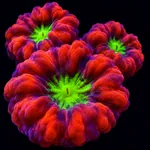 Blastomussa
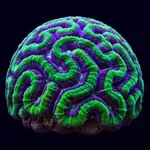 Brain Coral
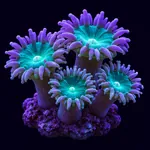 Duncan
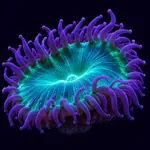 Elegance
 Fox Corals
 Fungia
 Lobo
 Pectina Corals
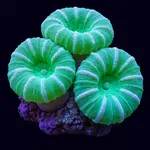 Trumpet
 All SPS Corals
 Acropora
 Montipora
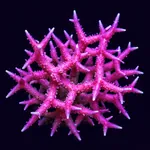 Birds Nest
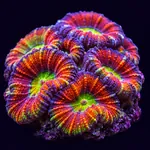 Acans
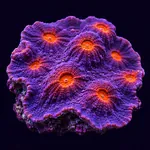 Chalice Corals
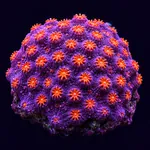 Cyphastrea
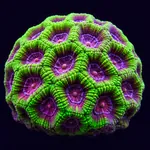 Favia
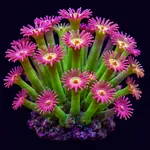 Goniopora/Alveopora
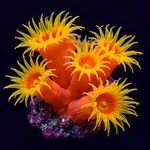 NPS Corals
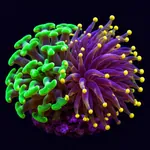 All Euphyllia
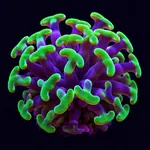 Hammers
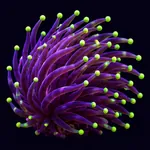 Torch
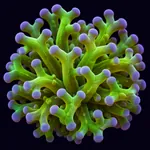 Frogspawn
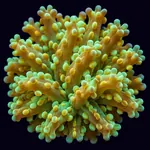 Octospawn
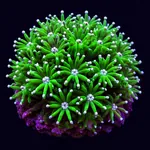 Galaxia
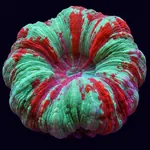 Acanthophyllia
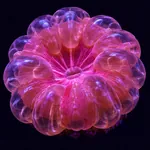 Cynarina
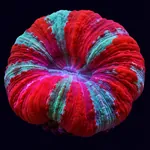 Indophyllia
 Scolymia
 All Softies & More
 Welso and Trachy
 Anemones
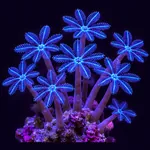 Clove Polyps
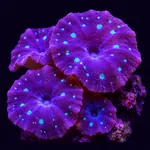 Mushroom
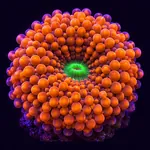 Ricordea
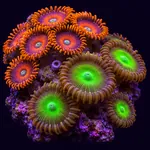 Zoa & Palythoas
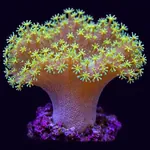 Leather Corals
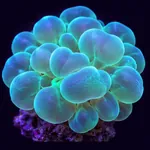 Bubble Coral
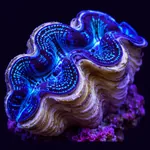 Clams
 Algae Free
 AquaIllumination
 ATI
 AutoAqua
 Benepets
 Coral RX
 D-D Aquarium Solution
 EcoTech Marine
 Flipper
 Frank’s Aquarium Products
 Milwaukee
 Noopsyche Lighting
 Two Little Fishies
 Gift Cards and T-Shirts
 Reef Brite
 Rowaphos
 Mermaids Delight
 Nyos
 Salifert
 Sicce
 Simplicity
 XP Aqua
 Dalua
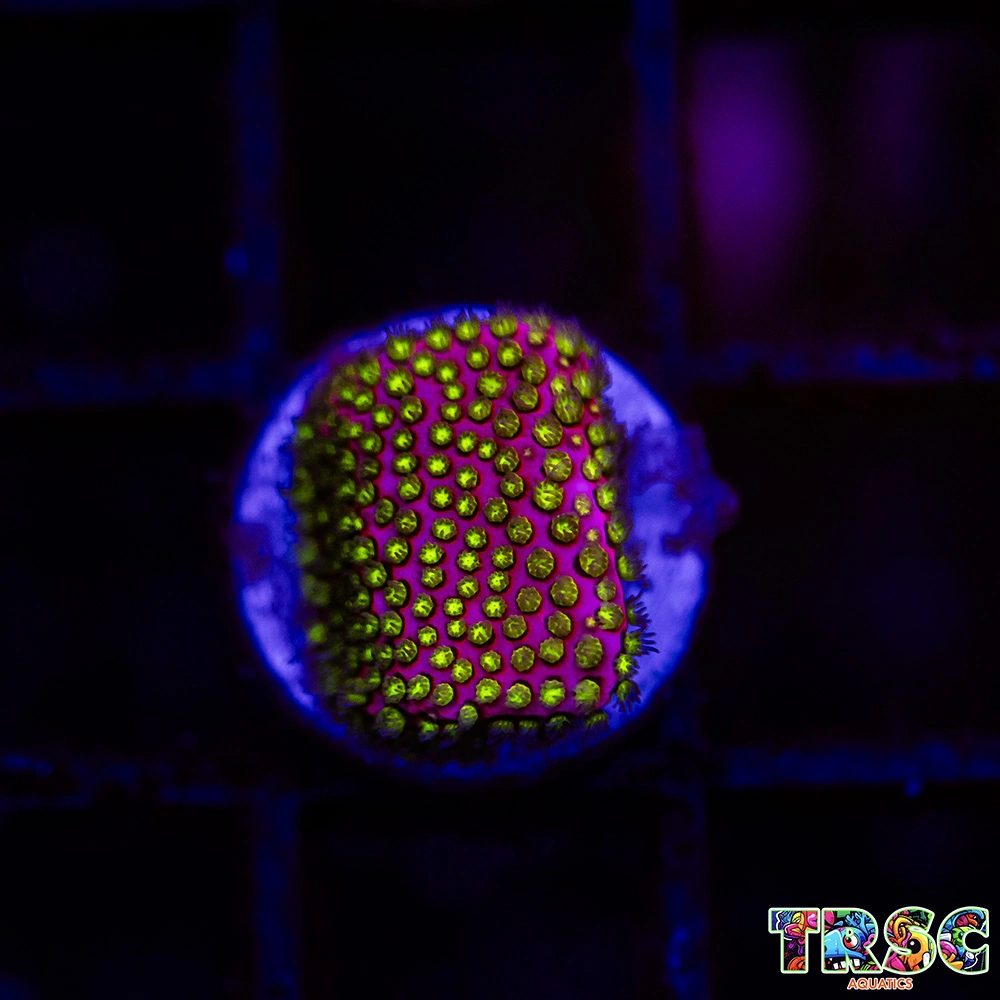
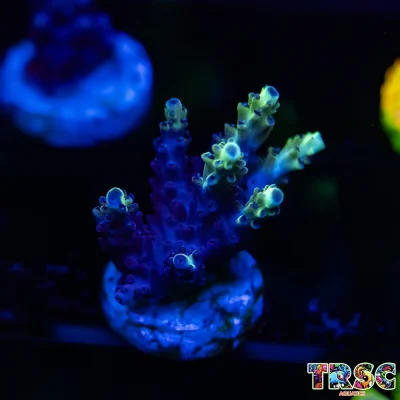
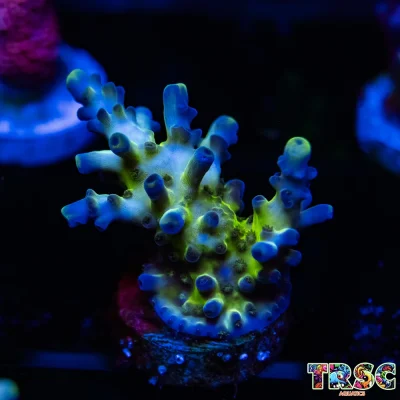
Electric Daisy Stylocoeniella J01
Original price was: $26.99.$19.99Current price is: $19.99.
-
1 in stock
Stylocoeniella Coral Care Guide (Stylocoeniella)
Stylocoeniella is a small polyp stony coral that grows flat against the rock and is covered in tiny polyps that give it a fuzzy look. It handles lower light and higher nutrients well, spreads quickly, and is easy to propagate, which has made it far more available.
Stylocoeniella Care
Stylocoeniella is a fuzzy, encrusting SPS that handles lower light and higher nutrients better than most stony corals. It spreads quickly and is easy to frag.
Location
Wild Stylocoeniella are found on reefs across the Indo-Pacific. Ours are aquacultured on our farm, so they are already used to aquarium life.
Lighting
| 0 | 100 | 200 | 300 | 400 |
Keep it around 50–100 PAR. Start low and increase only once the colony is stable. Tissue that turns pale or bleached means too much light, so move it to a dimmer spot quickly. Keep it lower in the tank, ideally under an overhang. It spreads quickly across rock, so give it room so it doesn’t overgrow its neighbors.
Water Flow
Low to medium flow works best. Moderate flow keeps detritus off. Gentle flow lets the polyps extend, while strong flow keeps them pulled in.
Feeding
Feeding isn’t necessary. If you want to feed, broadcast amino acids or small zooplankton like rotifers, sparingly. Fish waste also helps.
Water Chemistry
- Alkalinity: 8–9 dKH. Keep it steady; swings matter more than the exact number
- Calcium: 400–450 ppm
- Magnesium: 1300–1400 ppm
- Nitrate: 5–10 ppm. Tolerates higher levels well
- Phosphate: 0.05–0.1 ppm. Avoid ultra-low nutrients
- Salinity / Temp: 1.025–1.026 SG, 76–79°F
Propagation
Stylocoeniella is easy to frag. Cut a section of the encrusting colony and glue it to a plug or rock.
Troubleshooting
- Die-back where detritus collects: Add flow to those spots
- Bleaching: Too much light. Move it lower quickly
- Drab color: Check for high nitrate
- Shrunken, thin look: Nutrients are too low
Aggression
It isn’t aggressive, but it spreads fast and can encrust over slower corals. Give it its own space.
Acclimation
Float the bag to match temperature, then slowly drip or cup in tank water over 20–30 minutes. Give it a coral dip to knock off any hitchhiking pests before it goes in. Start it low in the tank under gentler light and move it up over a couple of weeks if it looks happy. Expect it to stay closed for a day or two while it settles.
Aquacultured at TRSC Aquatics in Charlotte, NC.
Related products

-
-
-


-