 All LPS Corals
 Blastomussa
 Brain Coral
 Duncan
 Elegance
 Fox Corals
 Fungia
 Lobo
 Pectina Corals
 Trumpet
 All SPS Corals
 Acropora
 Montipora
 Birds Nest
 Acans
 Chalice Corals
 Cyphastrea
 Favia
 Goniopora/Alveopora
 NPS Corals
 All Euphyllia
 Hammers
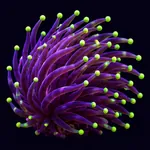 Torch
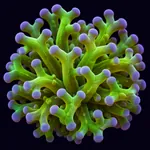 Frogspawn
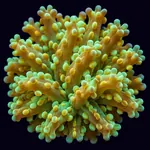 Octospawn
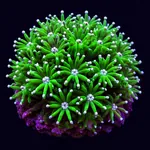 Galaxia
 Acanthophyllia
 Cynarina
 Indophyllia
 Scolymia
 All Softies & More
 Welso and Trachy
 Anemones
 Clove Polyps
 Mushroom
 Ricordea
 Zoa & Palythoas
 Leather Corals
 Bubble Coral
 Clams
 Algae Free
 AquaIllumination
 ATI
 AutoAqua
 Benepets
 Coral RX
 D-D Aquarium Solution
 EcoTech Marine
 Flipper
 Frank’s Aquarium Products
 Milwaukee
 Noopsyche Lighting
 Two Little Fishies
 Gift Cards and T-Shirts
 Reef Brite
 Rowaphos
 Mermaids Delight
 Nyos
 Salifert
 Sicce
 Simplicity
 XP Aqua
 Dalua
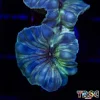
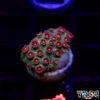
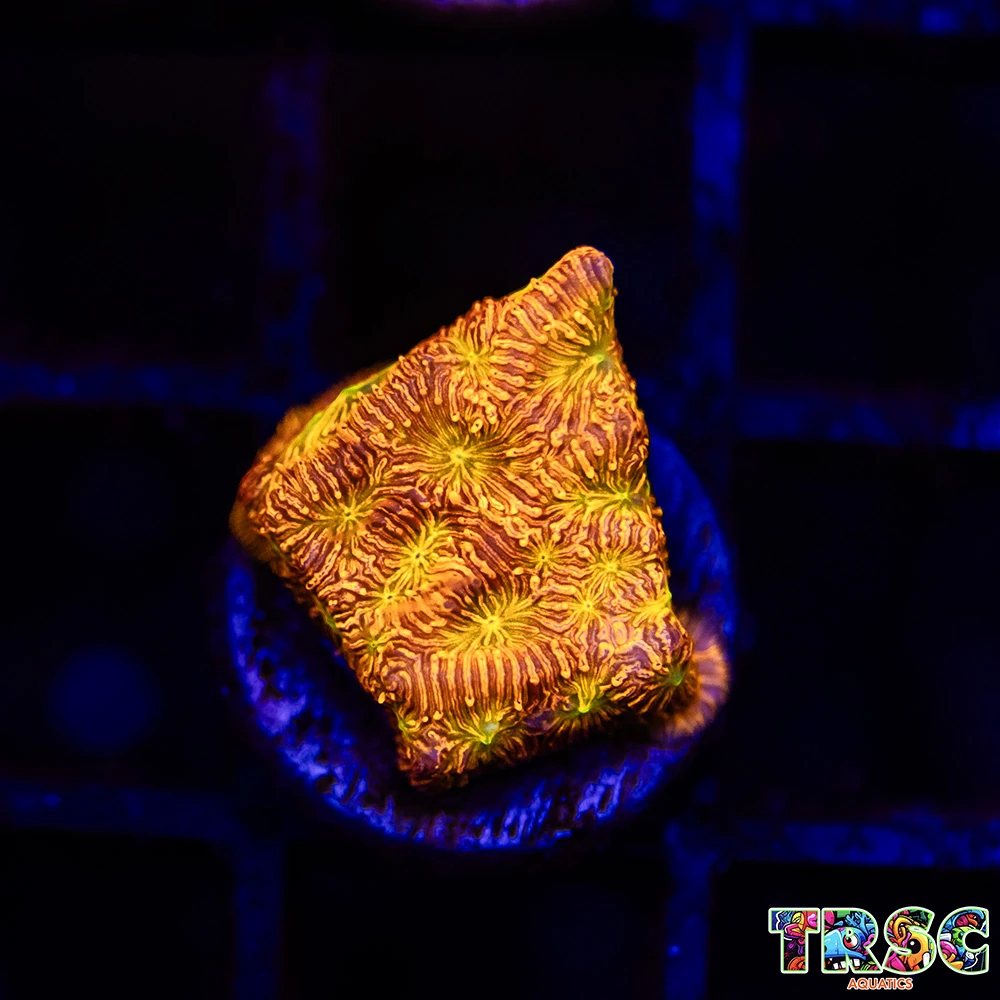
Jack-o-lantern Leptoseris L01
Original price was: $33.99.$24.99Current price is: $24.99.
-
1 in stock
Leptoseris Coral Care Guide (Leptoseris)
Leptoseris (sometimes called wrinkle coral) is an encrusting stony coral that spreads over rock like colorful coralline algae. It is one of the fastest-growing corals in the hobby and shows off its color under actinic lighting. Healthy colonies swell slightly at the edges.
Leptoseris Care
Leptoseris is one of the fastest-growing encrusting corals and spreads over rock like colorful ground cover. A healthy colony swells slightly at its edges.
Location
Wild Leptoseris are found on reefs across the Indo-Pacific. Ours are aquacultured on our farm, so they are already used to aquarium life.
Lighting
| 0 | 100 | 200 | 300 | 400 |
About 75–125 PAR gives the best growth and color. It has been grown as low as around 40 PAR but looks less vivid. Too much light can bleach it, so when unsure, go lower. Leptoseris makes great ground cover in SPS or mixed reefs. It grows fast, so give it room away from neighbors.
Water Flow
Low to medium flow keeps detritus out of its folds and bowls. Avoid strong, direct powerhead blasts, which can kill tissue. A colony that looks drawn in tight is often getting too much flow.
Feeding
Leptoseris gets most of its nutrition from light. Broadcast amino acids or small zooplankton are optional extras. Start slowly to avoid nutrient spikes.
Water Chemistry
- Alkalinity: 8–9 dKH. Keep it steady; swings matter more than the exact number
- Calcium: 400–450 ppm
- Magnesium: 1300–1400 ppm
- Nitrate: 5–10 ppm. Keep some present
- Phosphate: 0.01–0.05 ppm
- Salinity / Temp: 1.025–1.026 SG, 76–79°F
Propagation
Leptoseris frags easily with bone cutters or a saw. It can be tricky to glue, so use a little extra gel super glue.
Troubleshooting
- Lightening or bleaching: Too much light. Lower the intensity
- Die-back where detritus collects: Not enough flow in that spot
- Drab color: Nutrients too high or too low
- Tissue loss in one spot: A powerhead is too close
Aggression
Leptoseris extends sweeper tentacles about an inch and can creep toward other corals. Provide spacing.
Acclimation
Float the bag to match temperature, then slowly drip or cup in tank water over 20–30 minutes. Give it a coral dip to knock off hitchhikers like flatworms before it goes in. Start it low in the tank under gentler light and move it up over a couple of weeks if it looks happy. Expect it to stay closed for a day or two while it settles.
Aquacultured at TRSC Aquatics in Charlotte, NC.
Related products


LPS Corals
-