 All LPS Corals
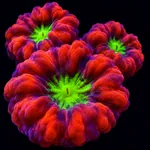 Blastomussa
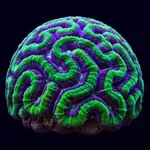 Brain Coral
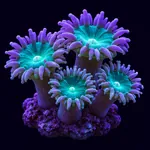 Duncan
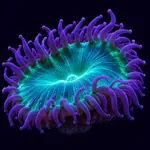 Elegance
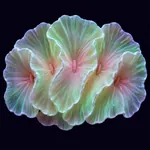 Fox Corals
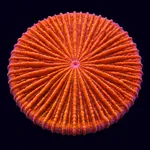 Fungia
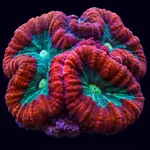 Lobo
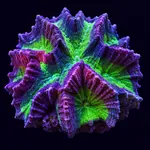 Pectina Corals
 Trumpet
 All SPS Corals
 Acropora
 Montipora
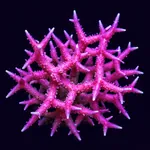 Birds Nest
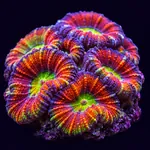 Acans
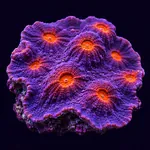 Chalice Corals
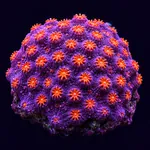 Cyphastrea
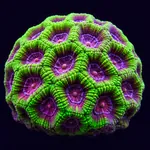 Favia
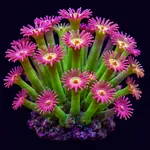 Goniopora/Alveopora
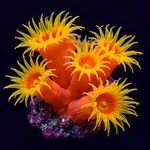 NPS Corals
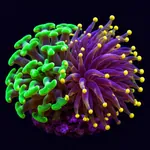 All Euphyllia
 Hammers
 Torch
 Frogspawn
 Octospawn
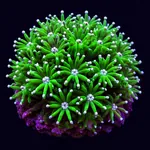 Galaxia
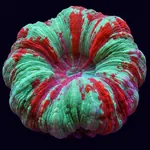 Acanthophyllia
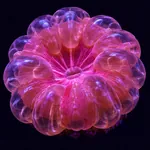 Cynarina
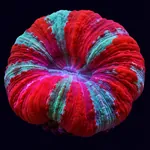 Indophyllia
 Scolymia
 All Softies & More
 Welso and Trachy
 Anemones
 Clove Polyps
 Mushroom
 Ricordea
 Zoa & Palythoas
 Leather Corals
 Bubble Coral
 Clams
 Algae Free
 AquaIllumination
 ATI
 AutoAqua
 Benepets
 Coral RX
 D-D Aquarium Solution
 EcoTech Marine
 Flipper
 Frank’s Aquarium Products
 Milwaukee
 Noopsyche Lighting
 Two Little Fishies
 Gift Cards and T-Shirts
 Reef Brite
 Rowaphos
 Mermaids Delight
 Nyos
 Salifert
 Sicce
 Simplicity
 XP Aqua
 Dalua
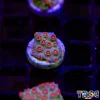
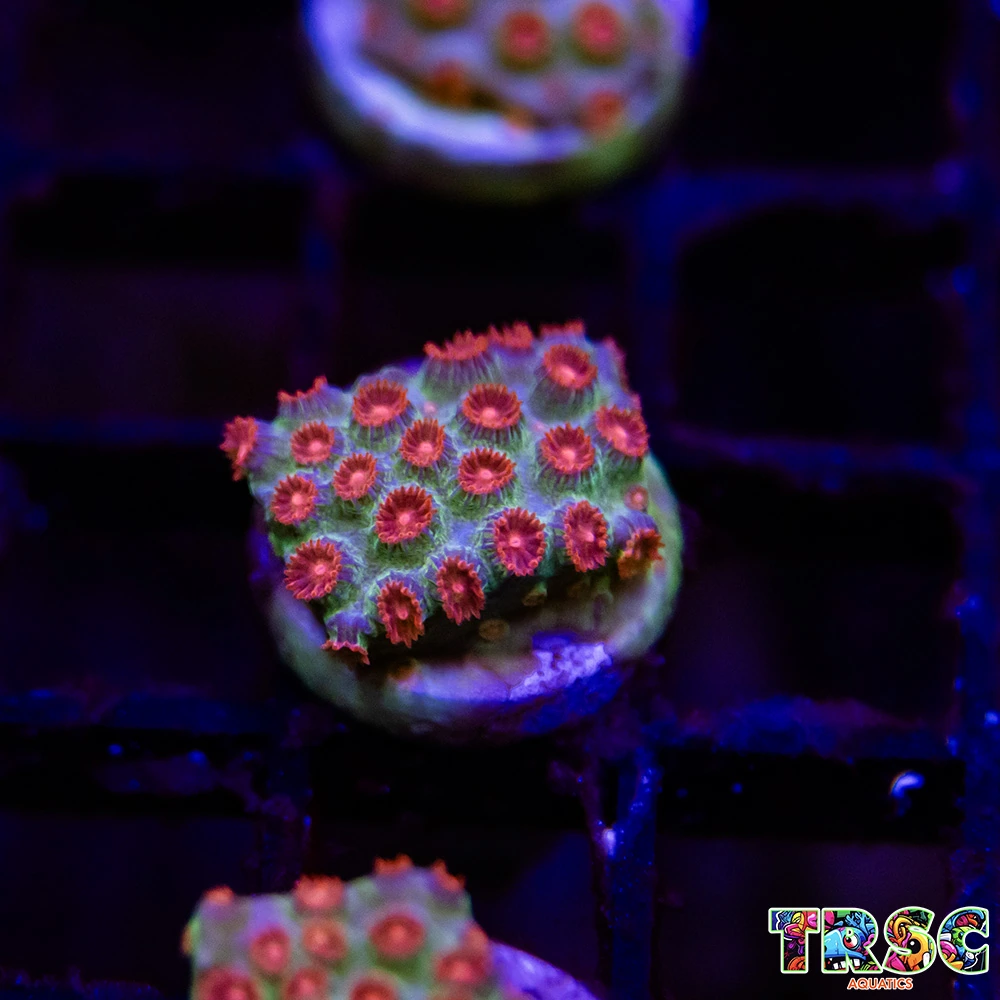
Meteor Shower Cyphastrea K12
Original price was: $26.99.$19.99Current price is: $19.99.
-
1 in stock
Cyphastrea Coral Care Guide (Cyphastrea)
Cyphastrea are reef-building stony corals in the family Merulinidae. They are one of the easiest stony corals to keep, love lower light and come in many color strains. Most Cyphastrea in the hobby are farm-grown.
Cyphastrea Care
Cyphastrea are one of the easiest stony corals to keep and a favorite first hard coral because they love lower light. They grow quickly and come in many color strains.
Location
Wild Cyphastrea are reef-building corals found across the Indo-Pacific. Ours are aquacultured on our farm, so they are already used to aquarium life.
Lighting
| 0 | 100 | 200 | 300 | 400 |
Start under 100 PAR and raise the light slowly, if at all. If the coral bleaches or keeps its polyps tightly closed, move it somewhere shadier. Cyphastrea do well in shadier parts of a mixed reef or the lower-light areas of an SPS tank. Think about the growth shape, since some forms trap detritus more than others.
Water Flow
Moderate, indirect flow keeps detritus off the tissue. Turn flow off if you target feed so the food doesn’t wash away.
Feeding
Most reefers don’t target feed Cyphastrea. Amino acids and small zooplankton like rotifers are good options. Avoid overfeeding, which can cause nutrient problems.
Water Chemistry
- Alkalinity: 8–9 dKH. Keep it steady; swings matter more than the exact number
- Calcium: 400–450 ppm
- Magnesium: 1300–1400 ppm
- Nitrate: 5–10 ppm (up to about 25 ppm is fine)
- Phosphate: 0.01–0.05 ppm
- Salinity / Temp: 1.025–1.026 SG, 76–79°F
Propagation
Cyphastrea grow quickly in captivity and frag easily with bone cutters or a saw. Regular trimming keeps them from overgrowing neighbors.
Troubleshooting
- Dead patches: Detritus is settling on the tissue. Keep the surface clean
- Bleaching or closed polyps: Too much light. Move it somewhere shadier
- Dull color after shipping: Normal. It usually returns once settled
Aggression
Cyphastrea can sting neighbors that touch them. Leave an inch or two of space.
Acclimation
Shipping can cause some temporary color loss, which typically comes back in good conditions. Float the bag to match temperature, then slowly drip or cup in tank water over 20–30 minutes. Give it a coral dip to knock off hitchhikers like flatworms before it goes in. Start it low in the tank under gentler light and move it up over a couple of weeks if it looks happy. Expect it to stay closed for a day or two while it settles.
Aquacultured at TRSC Aquatics in Charlotte, NC.
Related products

LPS Corals
-