 All LPS Corals
 Blastomussa
 Brain Coral
 Duncan
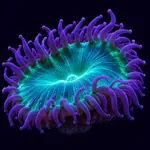 Elegance
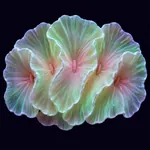 Fox Corals
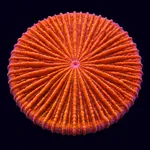 Fungia
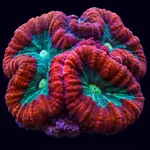 Lobo
 Pectina Corals
 Trumpet
 All SPS Corals
 Acropora
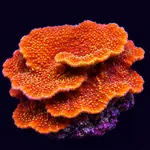 Montipora
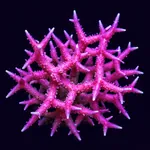 Birds Nest
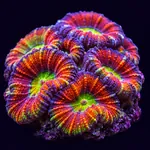 Acans
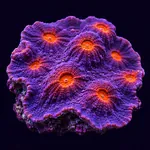 Chalice Corals
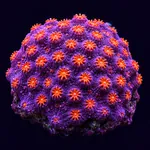 Cyphastrea
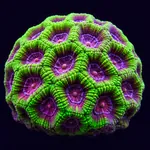 Favia
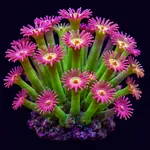 Goniopora/Alveopora
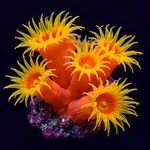 NPS Corals
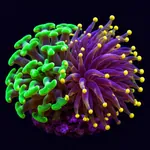 All Euphyllia
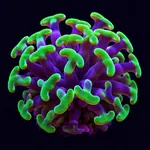 Hammers
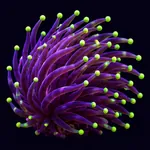 Torch
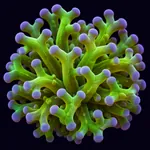 Frogspawn
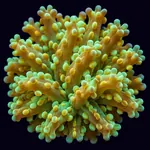 Octospawn
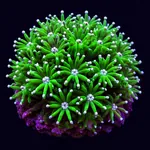 Galaxia
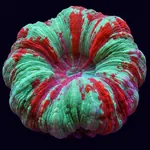 Acanthophyllia
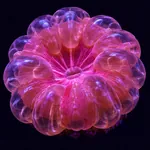 Cynarina
 Indophyllia
 Scolymia
 All Softies & More
 Welso and Trachy
 Anemones
 Clove Polyps
 Mushroom
 Ricordea
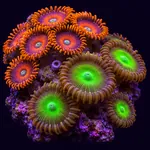 Zoa & Palythoas
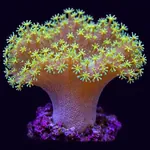 Leather Corals
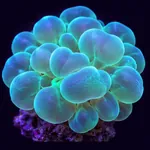 Bubble Coral
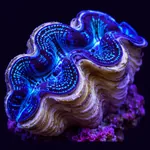 Clams
 Algae Free
 AquaIllumination
 ATI
 AutoAqua
 Benepets
 Coral RX
 D-D Aquarium Solution
 EcoTech Marine
 Flipper
 Frank’s Aquarium Products
 Milwaukee
 Noopsyche Lighting
 Two Little Fishies
 Gift Cards and T-Shirts
 Reef Brite
 Rowaphos
 Mermaids Delight
 Nyos
 Salifert
 Sicce
 Simplicity
 XP Aqua
 Dalua
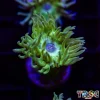
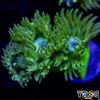
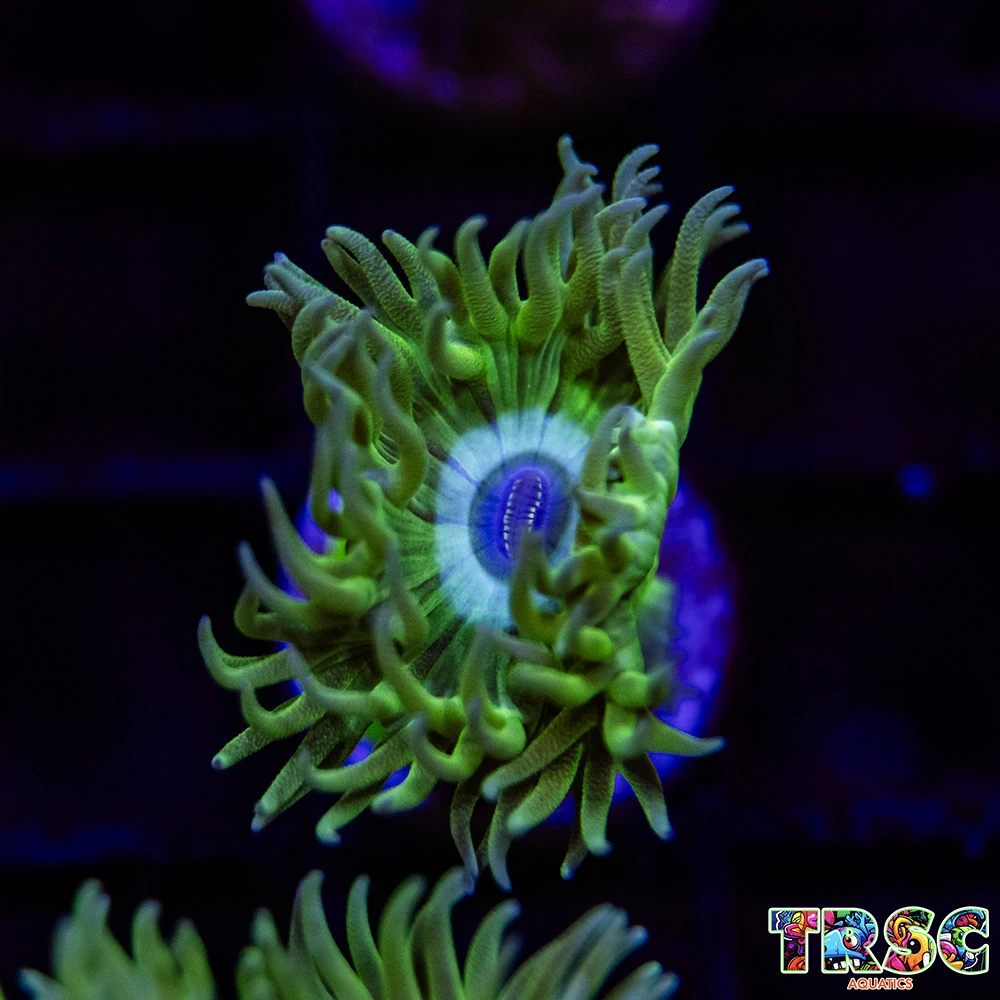
Australian Duncan Coral H03
Original price was: $22.99.$16.99Current price is: $16.99.
-
1 in stock
Duncan Coral Care Guide (Duncanopsammia axifuga)
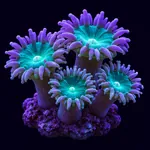
Duncan coral (Duncanopsammia axifuga), also called whisker coral, is a large polyp stony coral from Australia. Each head has a fleshy disc and long tentacles. It is one of the easiest and most rewarding LPS to keep, and well-fed colonies add new heads quickly.
Duncan Coral Care
Duncans are one of the best beginner LPS corals. They are hardy, peaceful and fast growing, and a well-fed colony will keep adding new heads.
Location
Wild Duncan corals come from Australian reefs. Ours are aquacultured on our farm, so they are already used to aquarium life.
Lighting
| 0 | 100 | 200 | 300 | 400 |
Aim for about 75–150 PAR. Start low and increase over a week or two to avoid bleaching. Place it on stable rock or the sand bed in the lower to middle part of the tank, with room for the colony to spread. Crowded colonies tend to grow upward.
Water Flow
Gentle to moderate, indirect flow is best. Too much flow keeps the polyps closed, and too little lets detritus collect at the base.
Feeding
Duncans are eager eaters and grow much faster when fed. Offer mysis, enriched brine shrimp, chopped krill or coral pellets a few times a week. Consistent feeding is the biggest factor in fast growth.
Water Chemistry
- Alkalinity: 8–9 dKH. Keep it steady; swings matter more than the exact number
- Calcium: 400–450 ppm
- Magnesium: 1300–1400 ppm
- Nitrate: 5–10 ppm. Readings of 30–40 ppm can cause tissue recession
- Phosphate: 0.03–0.1 ppm
- Salinity / Temp: 1.025–1.026 SG, 76–79°F
Propagation
Duncans are easy to frag. Cut or snap individual heads off at the branching skeleton and glue them to plugs. They heal quickly.
Troubleshooting
- Closed after a move: Normal for a few days while it settles
- Staying closed long-term: Too much flow, too much light or a parameter swing
- Shrinking heads: It needs more food. Feed two to three times a week
Aggression
Duncans are peaceful, but their tentacles can brush delicate neighbors. Give them a few inches of space.
Acclimation
Float the bag to match temperature, then slowly drip or cup in tank water over 20–30 minutes. Give it a coral dip to knock off hitchhikers like flatworms before it goes in. Start it low in the tank under gentler light and move it up over a couple of weeks if it looks happy. Expect it to stay closed for a day or two while it settles.
Aquacultured at TRSC Aquatics in Charlotte, NC.
Related products
Euphyllia
-