 All LPS Corals
 Blastomussa
 Brain Coral
 Duncan
 Elegance
 Fox Corals
 Fungia
 Lobo
 Pectina Corals
 Trumpet
 All SPS Corals
 Acropora
 Montipora
 Birds Nest
 Acans
 Chalice Corals
 Cyphastrea
 Favia
 Goniopora/Alveopora
 NPS Corals
 All Euphyllia
 Hammers
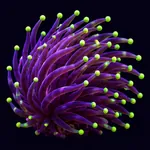 Torch
 Frogspawn
 Octospawn
 Galaxia
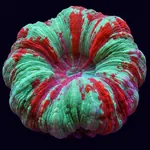 Acanthophyllia
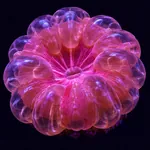 Cynarina
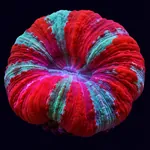 Indophyllia
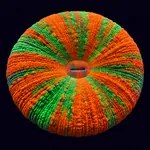 Scolymia
 All Softies & More
 Welso and Trachy
 Anemones
 Clove Polyps
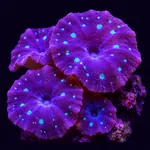 Mushroom
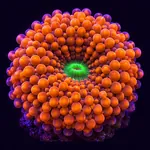 Ricordea
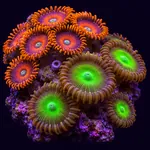 Zoa & Palythoas
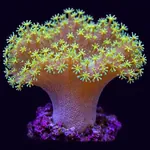 Leather Corals
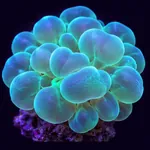 Bubble Coral
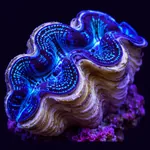 Clams
 Algae Free
 AquaIllumination
 ATI
 AutoAqua
 Benepets
 Coral RX
 D-D Aquarium Solution
 EcoTech Marine
 Flipper
 Frank’s Aquarium Products
 Milwaukee
 Noopsyche Lighting
 Two Little Fishies
 Gift Cards and T-Shirts
 Reef Brite
 Rowaphos
 Mermaids Delight
 Nyos
 Salifert
 Sicce
 Simplicity
 XP Aqua
 Dalua
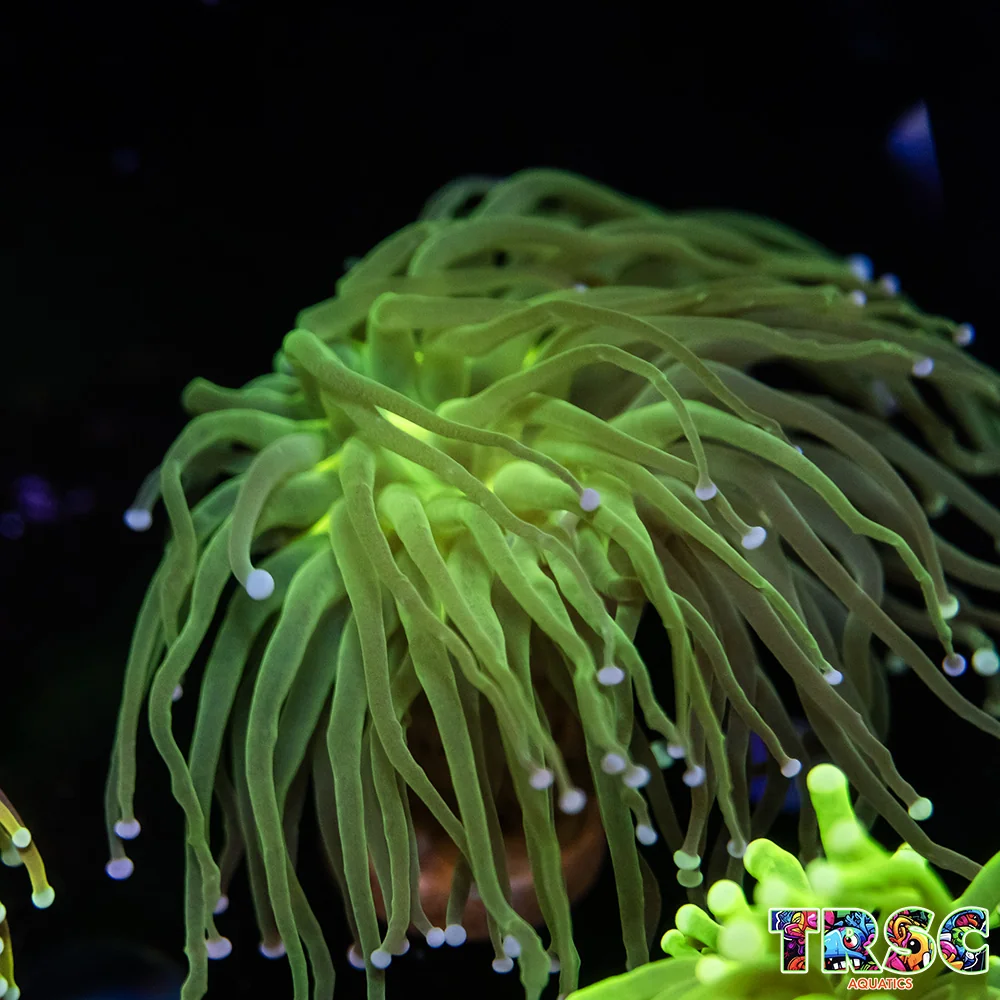
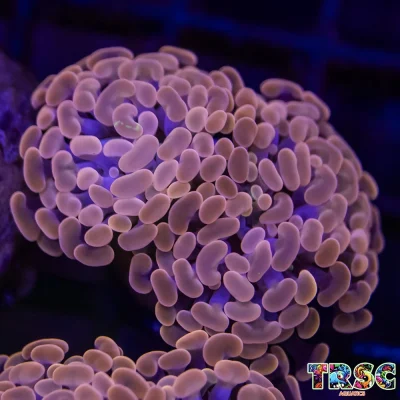
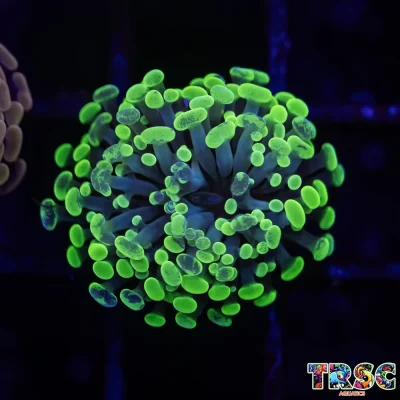
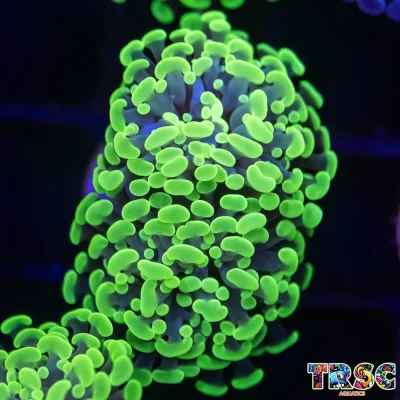
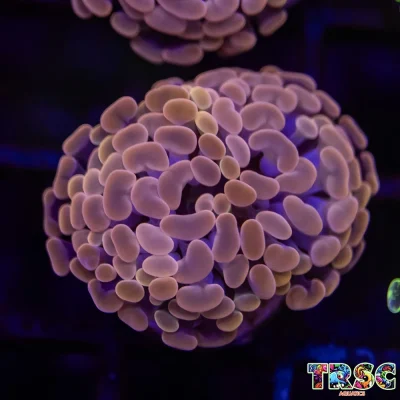
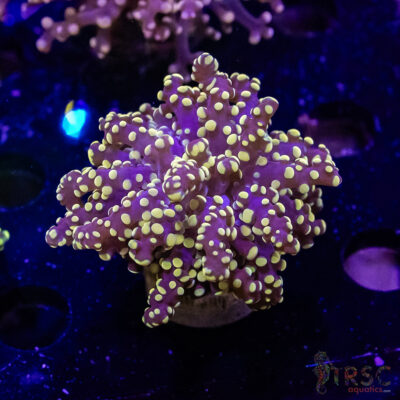
Green Colored Tip Torch (2 Head) K10
Original price was: $209.99.$139.99Current price is: $139.99.
-
1 in stock
Torch Coral Care Guide (Euphyllia glabrescens)
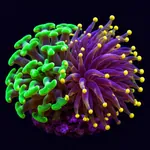
Torch corals are large polyp stony (LPS) corals with long, flowing tentacles that each end in a bright, glowing tip, like a lit torch swaying in the current. They are one of the most eye-catching corals in a mixed reef and share most of their care needs with hammers and frogspawn.
Torch Care
Torches can be a little trickier than hammers, but plenty of reefers keep them for years. Stable water, moderate light and plenty of space are what they need most.
Location
In the wild, torch corals are found throughout the tropical Pacific, including Fiji, Tonga, the Solomon Islands and the Great Barrier Reef. Our torches are farm-grown and already adapted to aquarium conditions.
Lighting
| 0 | 100 | 200 | 300 | 400 |
Torches do not need much light. They often extend more under softer lighting, while stronger light brings out richer color. Aim for 50–150 PAR and avoid sudden jumps in intensity.
Water Flow
Provide moderate, variable flow. Movement keeps the coral healthy and gives it that signature swaying motion. Flow that is too strong can keep tentacles retracted or damage the tips.
Feeding
Torches rely mostly on light through their zooxanthellae. They are picky eaters, but small foods like fine pellets, mysis or reef roe offered once or twice a week can help growth. Feed gently with a pipette when the tentacles are out.
Water Chemistry
- Alkalinity: 8–11 dKH, held steady
- Calcium: 400–450 ppm
- Magnesium: 1250–1350 ppm
- Nitrate: about 5–10 ppm. Readings of 30–40 ppm can lead to tissue recession
- Phosphate: 0.03–0.1 ppm. Rising phosphate is an early sign of slipping water quality
- Salinity / Temp: 1.025–1.026 SG, 76–79°F
Torches use calcium and alkalinity to build their skeletons, so the more stony corals you keep, the more you will need to dose. Test regularly and aim for levels close to natural seawater rather than chasing high numbers.
Propagation
Torch corals are widely aquacultured. Each colony grows by splitting into new heads on a branching skeleton, which can be separated with bone cutters well below the tissue. Torches can also spawn in captivity, and under heavy stress they may bail out, with polyps leaving the skeleton to survive.
Troubleshooting
- Retracted or shrunken: check for parameter swings, too much light or flow, or a pest
- Recession at the base: often linked to high nitrate or unstable alkalinity
- Brown jelly: remove the affected head quickly and dip the colony
- Pests: dip new torches and inspect for hitchhikers before adding them
Aggression
Torches are among the more aggressive Euphyllia. Their long sweeper tentacles carry stinging cells concentrated in the tips and can damage nearby corals. Give them 6 inches or more of space, and keep them away from hammers and frogspawn too.
Acclimation
Shipping is stressful, so take your time. Float the bag to match temperature, slowly add tank water over 20–30 minutes, and give the torch a coral dip to remove any hitchhikers. Place it lower and in gentler light than its final spot for the first 1–2 weeks, then move it up gradually as it opens fully.
Aquacultured at TRSC Aquatics in Charlotte, NC.
Related products
Euphyllia
-