 All LPS Corals
 Blastomussa
 Brain Coral
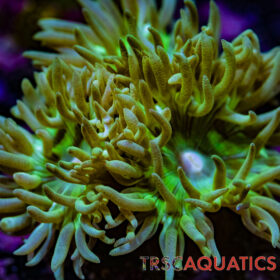 Duncan
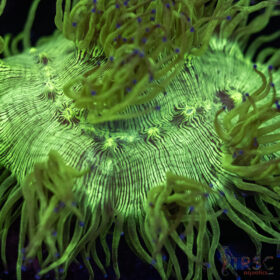 Elegance
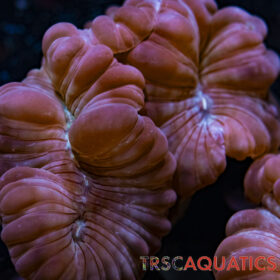 Fox Corals
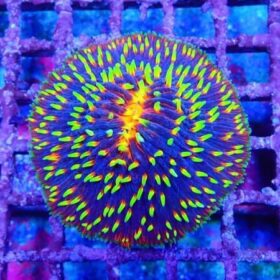 Fungia
 Lobo
Lobo Pectina Corals
 Trumpet
 All SPS Corals
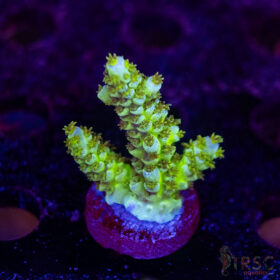 Acropora
 Montipora
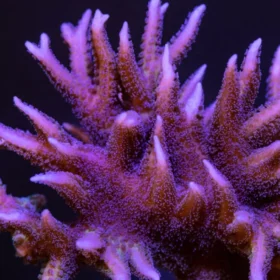 Birds Nest
 Acans
Acans Chalice Corals
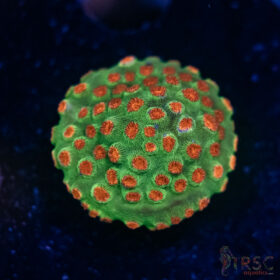 Cyphastrea
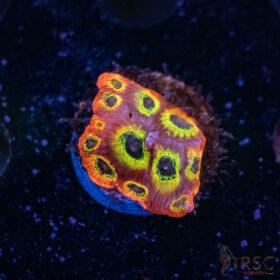 Favia
Favia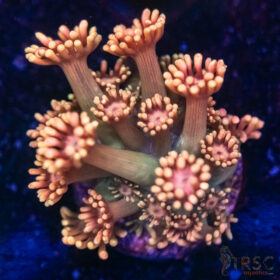 Goniopora/Alveopora
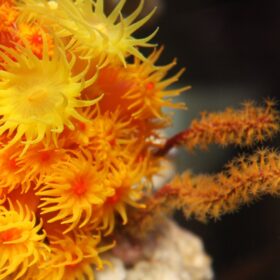 NPS Corals
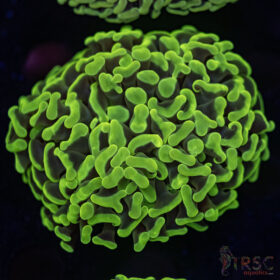 All Euphyllia
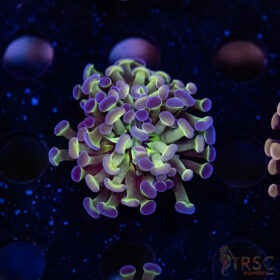 Hammers
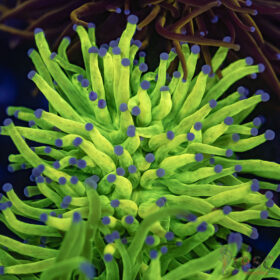 Torch
Torch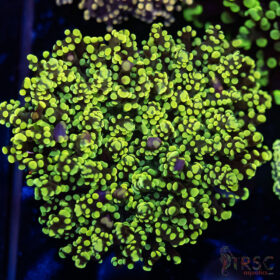 Frogspawn
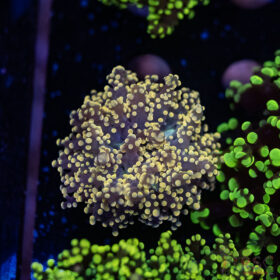 Octospawn
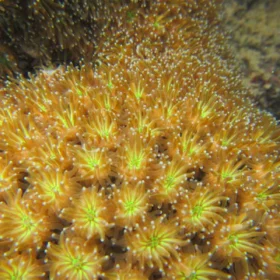 Galaxia
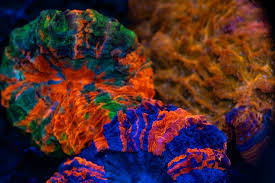 Acanthophyllia
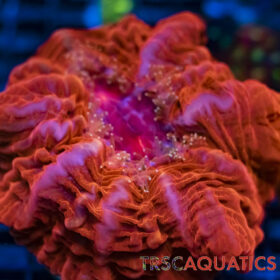 Cynarina
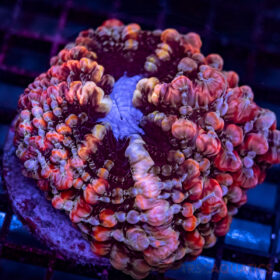 Indophyllia
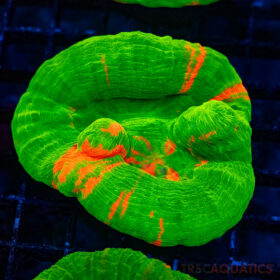 Scolymia
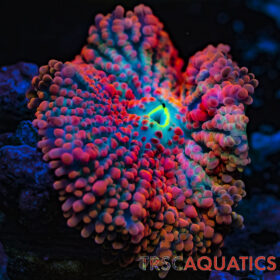 All Softies & More
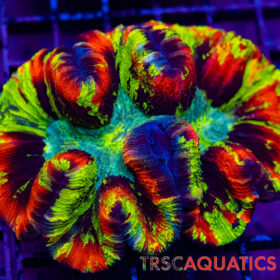 Welso and Trachy
 Anemones
 Clove Polyps
 Mushroom
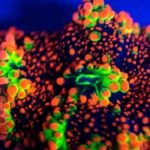 Ricordea
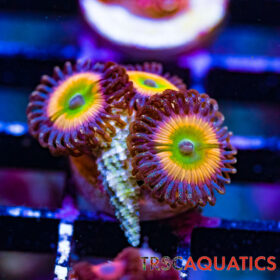 Zoa & Palythoas
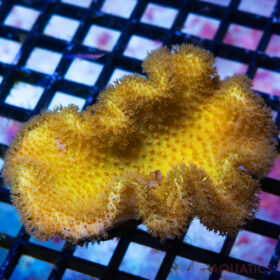 Leather Corals
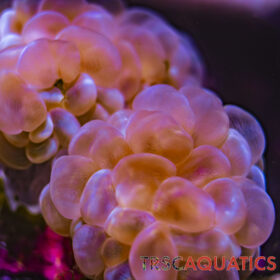 Bubble Coral
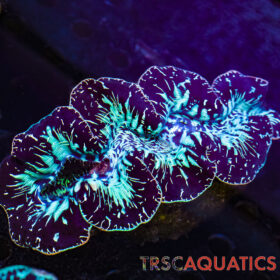 Clams
Clams Algae Free
 AquaIllumination
 ATI
ATI AutoAqua
 Benepets
 Coral RX
 D-D Aquarium Solution
 EcoTech Marine
 Flipper
 Frank’s Aquarium Products
 Milwaukee
 Noopsyche Lighting
 Two Little Fishies
 Gift Cards and T-Shirts
 Reef Brite
 Rowaphos
 Mermaids Delight
 Nyos
Nyos Salifert
 Sicce
Sicce Simplicity
 XP Aqua
Beginner Tips and Tricks
Zoanthid Corals: The Gateway Drug of the Reef Hobby
Everything you need to know to keep your zoas happy, healthy, and multiplying like tiny psychedelic pancakes.
If you’ve ever browsed a reef forum at 2am and ended up with $400 worth of coral in your cart before sunrise, there’s a good chance Zoanthids were involved. These vibrant, button-shaped soft corals are simultaneously the easiest coral to keep and the most effective way to destroy your bank account. Welcome to the hobby.
Zoanthids (order Zoantharia, genus Zoanthus, Palythoa, and Protopalythoa) are colonial polyp corals that come in virtually every color imaginable — electric purple, neon green, blood orange, and combinations that look like a fever dream. They’re hardy, fast-growing, and incredibly rewarding for both beginners and experienced reefers. Let’s break down exactly how to keep them thriving.
What Even Are Zoanthids?
Zoanthids are soft corals that live in colonies of individual polyps, each one looking like a tiny flower with a fleshy disc (the oral disc) surrounded by tentacles. They attach to rock via a mat called a coenenchyme — essentially a shared tissue blanket the colony grows on. Unlike stony corals, they don’t build calcium carbonate skeletons, which makes them significantly more forgiving to water chemistry fluctuations.
They host symbiotic algae called zooxanthellae in their tissue, which photosynthesize and provide most of the coral’s energy. This is why lighting is so critical. The zoas are essentially farming sunshine.
Optimal Lighting Conditions
Zoanthids are remarkably adaptable when it comes to light — they can thrive across a wide spectrum of intensities. But “adaptable” doesn’t mean “any light will do.” Getting lighting right is the difference between zoas that look like sad, closed fists and ones that open up into their full, glorious rainbow display.
Light Intensity
Most Zoanthids prefer low to moderate PAR (Photosynthetically Active Radiation) in the range of 50–150 PAR. High-end morphs and Palythoas can tolerate up to 200–250 PAR, but pushing zoas into intense light without acclimation is a fast track to bleaching and a slower track to your wallet crying. Always place new frags in lower flow, lower light areas and move them up gradually over 2–4 weeks.
Spectrum & Photoperiod
Zoanthids respond beautifully to a reef-spectrum fixture running between 10,000–20,000K. They especially pop under blue/violet wavelengths (420–470nm), which is why they look so electric under an actinic-heavy spectrum. Run your lights for 8–10 hours per day with a gentle ramp-up and ramp-down period. Consistency is key — abrupt changes in photoperiod stress the colony and cause them to keep their polyps closed longer than your in-laws on Thanksgiving.
Reef Tank Parameters
Here’s the part where beginners panic. Don’t. Zoanthids tolerate parameter swings that would make an SPS keeper faint. That said, stable parameters produce the happiest, fastest-growing colonies. Aim for these ranges:
Unlike SPS corals that demand near-sterile, ultra-low nutrient conditions, Zoanthids actually benefit from slightly elevated nutrients. Running your tank at near-zero nitrate and phosphate will eventually cause them to pale out and lose their vibrant coloration. A little dirty never hurt a zoa.
Water Flow
Zoanthids prefer low to moderate, indirect flow. They need enough current to keep detritus from settling on them and to deliver nutrients to their tentacles, but high direct flow will cause them to keep their polyps closed permanently — the coral equivalent of going on strike. Aim for gentle, randomized flow that creates a swaying motion without blasting the polyps flat. A wave maker on a randomized pattern works beautifully.
Common Issues, Causes & Fixes
Even with the best intentions, things go sideways. Here are the most common problems reefers encounter with Zoanthids, why they happen, and how to fix them.
Feeding Zoanthids
Zoanthids are primarily photosynthetic, but they’re not above a free meal. Supplemental feeding with amino acid solutions (like Reef Roids or CoralAmino) or very fine zooplankton once or twice a week can noticeably improve growth rates and coloration. Target-feed individual polyps with a pipette for best results. Just don’t overfeed the tank — you’ll cause a nutrient spike that’s worse than being slightly underfed.
Frequently Asked Questions
Browse our handpicked selection of Zoanthid frags — from beginner-friendly commons to rare collector morphs — all aquacultured and pest-free.
Shop Zoanthids at TRSC Aquatics →