 All LPS Corals
 Blastomussa
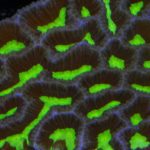 Brain Coral
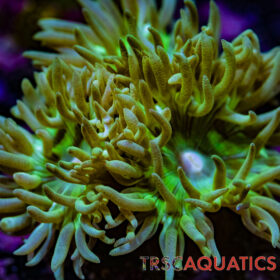 Duncan
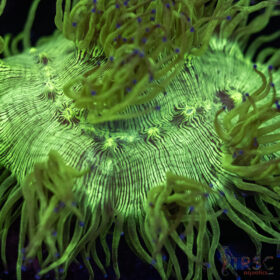 Elegance
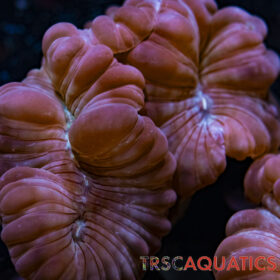 Fox Corals
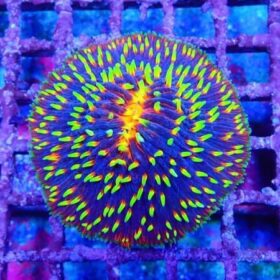 Fungia
 Lobo
Lobo Pectina Corals
 Trumpet
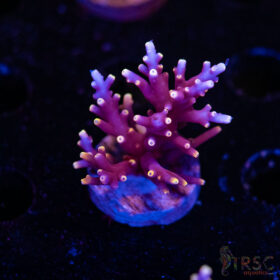 All SPS Corals
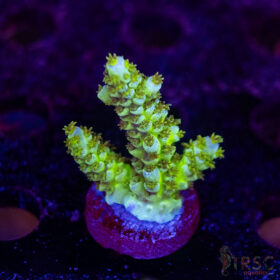 Acropora
 Montipora
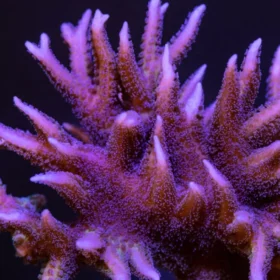 Birds Nest
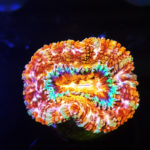 Acans
Acans Chalice Corals
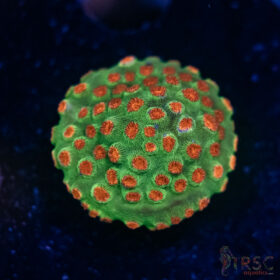 Cyphastrea
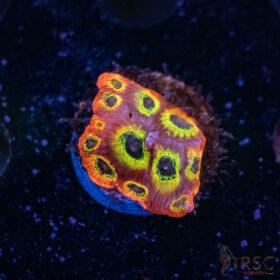 Favia
Favia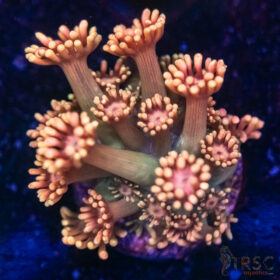 Goniopora/Alveopora
 NPS Corals
 All Euphyllia
 Hammers
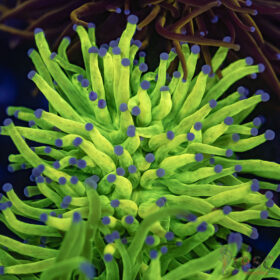 Torch
Torch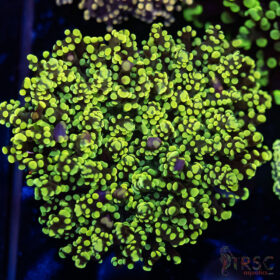 Frogspawn
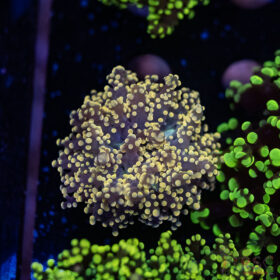 Octospawn
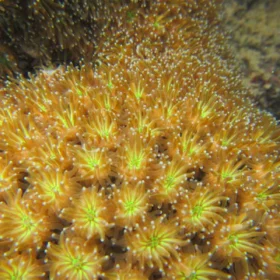 Galaxia
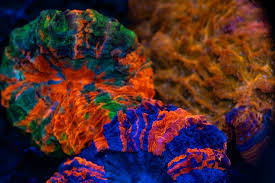 Acanthophyllia
 Cynarina
 Indophyllia
 Scolymia
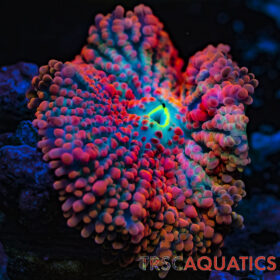 All Softies & More
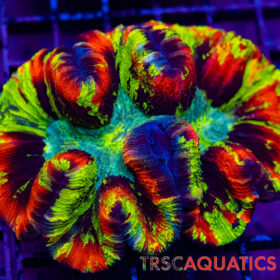 Welso and Trachy
 Anemones
 Clove Polyps
 Mushroom
 Ricordea
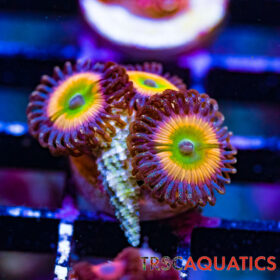 Zoa & Palythoas
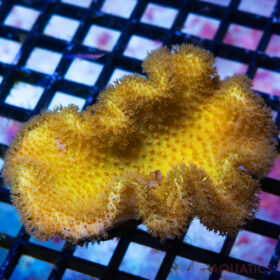 Leather Corals
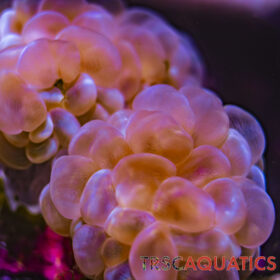 Bubble Coral
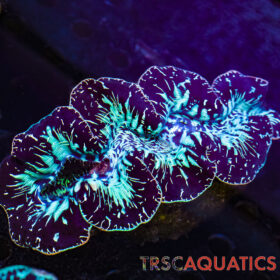 Clams
Clams Algae Free
 AquaIllumination
 ATI
ATI AutoAqua
 Benepets
 Coral RX
 D-D Aquarium Solution
 EcoTech Marine
 Flipper
 Frank’s Aquarium Products
 Milwaukee
 Noopsyche Lighting
 Two Little Fishies
 Gift Cards and T-Shirts
 Reef Brite
 Rowaphos
 Nyos
Nyos Salifert
 Sicce
Sicce Simplicity
 XP Aqua
Beginner Tips and Tricks, Other
LPS vs. SPS Corals: Which Is Harder to Keep?
One of the most common questions among reef hobbyists is whether LPS (Large Polyp Stony) or SPS (Small Polyp Stony) corals are more difficult to maintain. The short answer: SPS corals are generally harder to keep — but the full picture is a bit more nuanced. Whether you’re a beginner building your first reef tank or an experienced reefer looking to level up, understanding the differences is key to long-term success.
What Are LPS Corals?
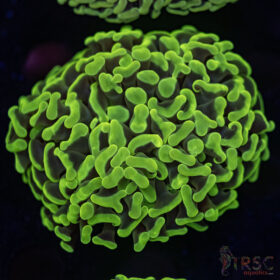
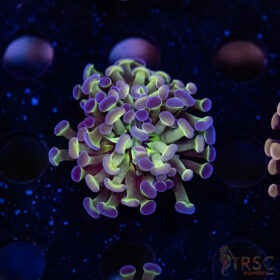
LPS corals include popular species like hammer corals, torch corals, frogspawn, acanthophyllia, and goniopora. They’re characterized by large, fleshy polyps that extend dramatically from a calcified skeleton. At TRSC Aquatics, our LPS coral collection features aquacultured specimens grown right here at our Charlotte, NC coral farm — meaning they’re already acclimated to stable tank conditions before they ever reach you.
LPS corals are generally considered beginner-to-intermediate level. They tolerate modest fluctuations in water parameters better than their SPS cousins, and many species will readily accept direct target feeding, which makes it easier to supplement their nutrition alongside what they absorb through photosynthesis.
What Are SPS Corals?
SPS corals — primarily acropora and montipora — are the crown jewel of the reef-keeping hobby. Their intricate branching structures and vivid coloration are unmatched, but they demand a level of precision that separates casual reefers from dedicated ones. Browse our SPS coral selection to see the variety of aquacultured acropora and montipora frags we grow in-house.
SPS corals require extremely stable water parameters. Alkalinity, calcium, magnesium, and salinity must remain consistent — even small swings can cause tissue necrosis or bleaching. They also demand high water flow, intense lighting, and very low nutrient levels (nitrates under 5 ppm, phosphates near zero). They don’t forgive neglect the way LPS corals sometimes will.
The Key Differences at a Glance
| Factor | LPS | SPS |
|---|---|---|
| Parameter stability | Moderate tolerance | Very high precision required |
| Lighting | Moderate to high | High to very high |
| Water flow | Low to moderate | High |
| Feeding | Target feeding helpful | Primarily photosynthetic |
| Beginner friendliness | Yes | No |
| Growth rate | Moderate | Slow to moderate |
Which Should You Start With?
If you’re newer to reef keeping or your tank is under 12 months old, LPS corals are the right starting point. They reward good husbandry without punishing every small mistake. Once your system is dialed in — stable parameters, consistent dosing, mature biological filtration — SPS corals become a very achievable next step.
At TRSC Aquatics, we’re a coral farm based in Charlotte, NC, and we stock both LPS and SPS corals that are tank-raised and hardened before sale. Whether you’re keeping your first torch coral or chasing your tenth acropora colony, we carry livestock suited for every experience level.
The hobby grows with you — and so does our inventory.
Explore our full livestock selection at www.trscaquatics.com